Empowering Pasifika Education
Blessed with Bilingual Brains©
Languages, Cultures, Identities, Belonging & Wellbeing
Transforming learning in Pasifika Bilingual Immersion Education (PBIE) pathways, community partnerships, and evidence-based practice.
Talofa lava, Mālō e lelei, Kia orana, Noa’ia, Mauri, Tālofa, Ni Sa Bula Vinaka, Fakaalofa lahi atu, Mālō ni, warm Pacific greetings and Kia ora rā… Ngā mihi nui o te wā ki a koutou katoa.
About Us
Talofa, Mālō e lelei, and Kia ora rā… Ngā mihi nui o te wā ki a kōrua, koutou pea. John McCaffery and Judy McFall are co-joint directors of Waka Aotearoa Education Lt.
We work with schools and ECEs to develop Pasifika Bilingual Immersion Education (PBIE) Programmes to support bilingualism in the home and at school. We run workshops for families, communities and churches supporting these education programmes and provide policy establishment and development for educators wherever the support is requested. At present most of the Bilingual Immersion Units in schools are situated in Tāmaki Makaurau Auckland, Aotearoa New Zealand.
A new Vision for Māori & Pacific Families
| • To enjoy success in education as Pasifika - Tongan, Niue, Samoan, Tokelau,Cook Island... • To enjoy success in education as Māori/ Pasifika (Tongan, Niue, Samoan, Tokelauan, Cook Is Māori...) peoples. • To be able to grow up in Aotearoa New Zealand in the context of our own languages, cultures, values and beliefs. |
• To be able to live life as Māori/ Pasifika (Tongan, Niue, Samoan, Tokelauan, Cook Is…) peoples in Aotearoa New Zealand. • To gain the skills, knowledge and understandings to be productive citizens of the wider world and participate in all areas of Aotearoa New Zealand society sharing in its material wellbeing. |
Mission & Strategy
Our education strategy is to have bilingual immersion education programmes available to all Pasifika families who wish their tamariki and whanau to become bilingual and biliterate through quality Bilingual Immersion Education schooling in Aotearoa New Zealand.
Enabling learners/akonga to become functionally bilingual and biliterate, to experience success as who they are, to live as they and their families desire, in a schooling context and curriculum that privileges and utilises their linguistic and cultural funds of knowledge.
Our mission is to support quality, evidence-based teaching and learning through the development of Centres of Excellence in strong pathways through Pacific Bilingual Immersion settings from contributing Early Childcare Education (ECE), to Primary Year 1 – 8, to Secondary through connected bilingual education settings.
In addition, pilot secondary schools defined dual medium pathways which use Pasifika heritage languages as well as English as mediums of instruction to teach their curriculum subjects.
Benefits of bilingualism:
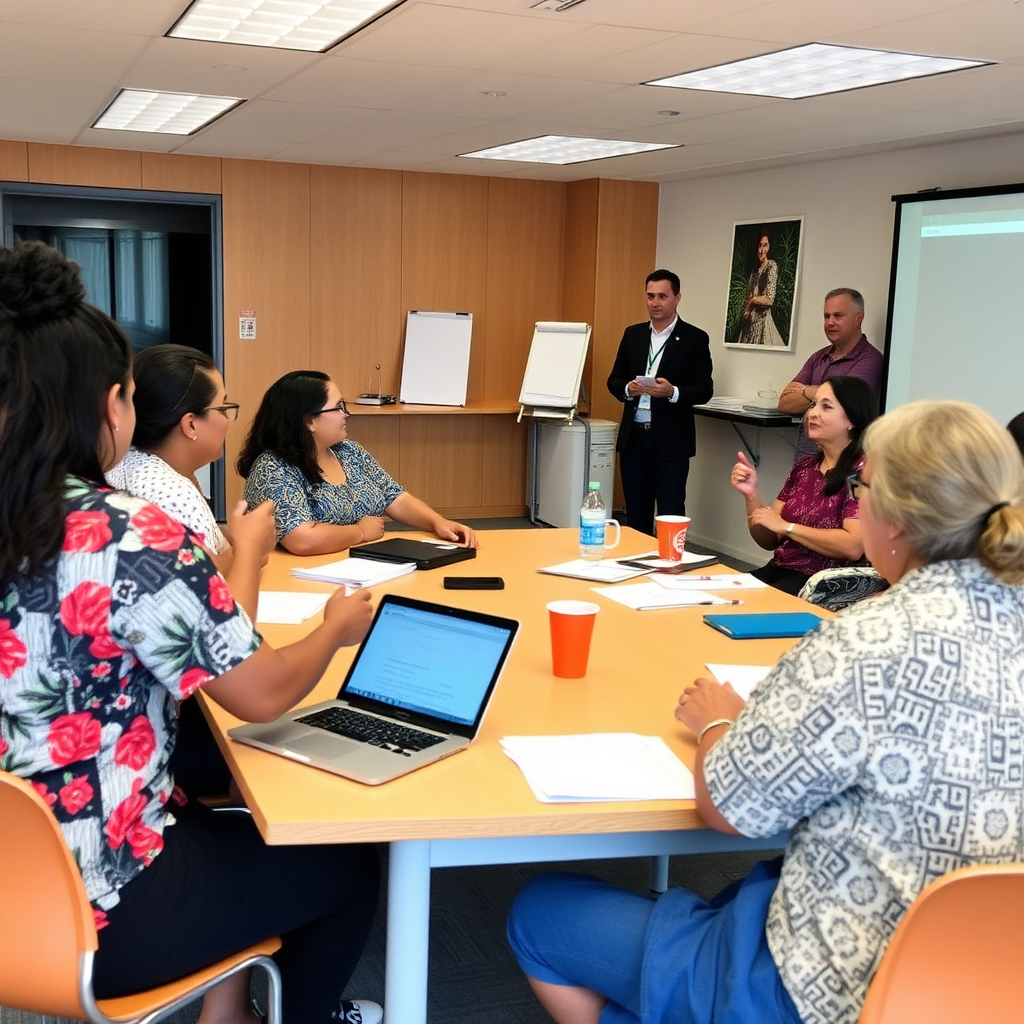
Global
Bilingualism enables Pasifika learners to communicate confidently across cultures and participate more effectively in an increasingly connected world.
Cognitive Academic
Cognitive and academic skills development through bilingualism and biliteracy enables Pasifika learners to be academically successful and confident in education and in their chosen careers.
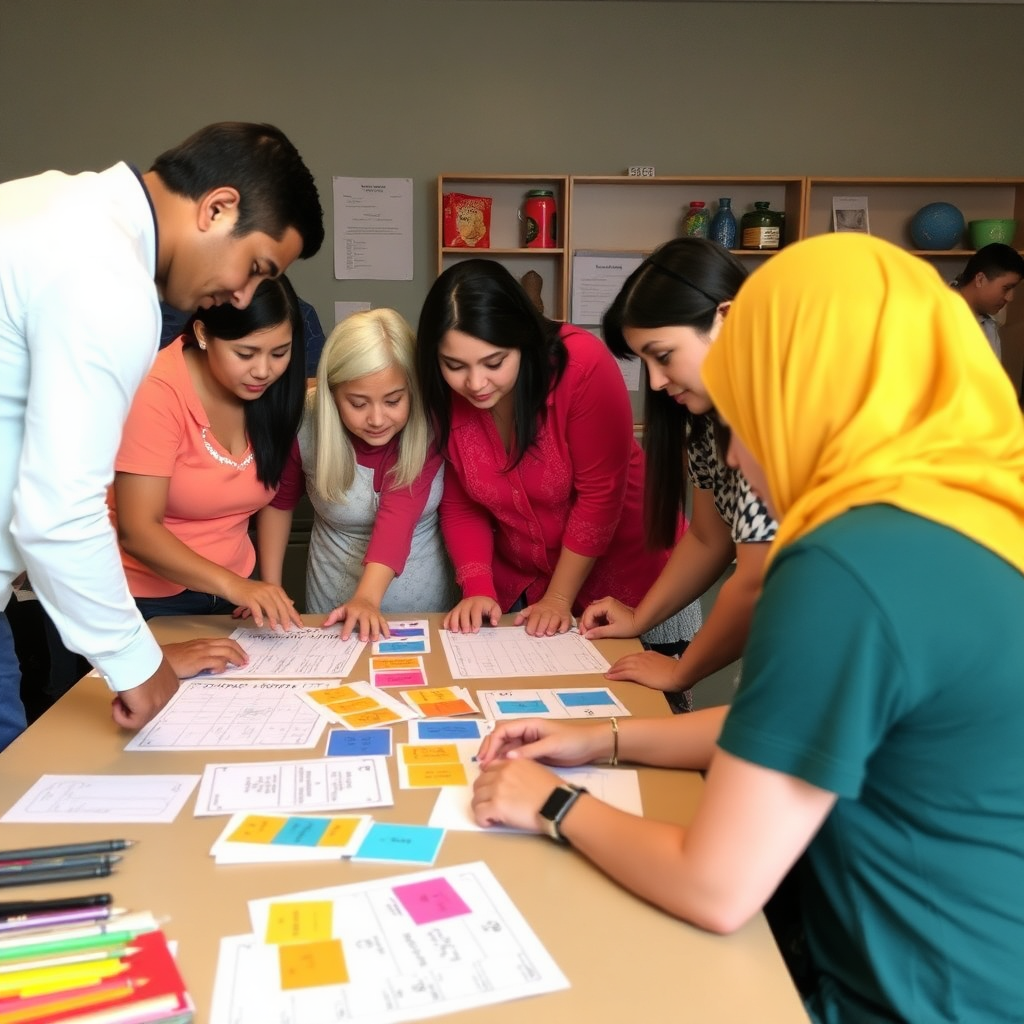
Identity
Learning and using both English and Pasifika languages strengthens students’ sense of identity, belonging, and pride in who they are.
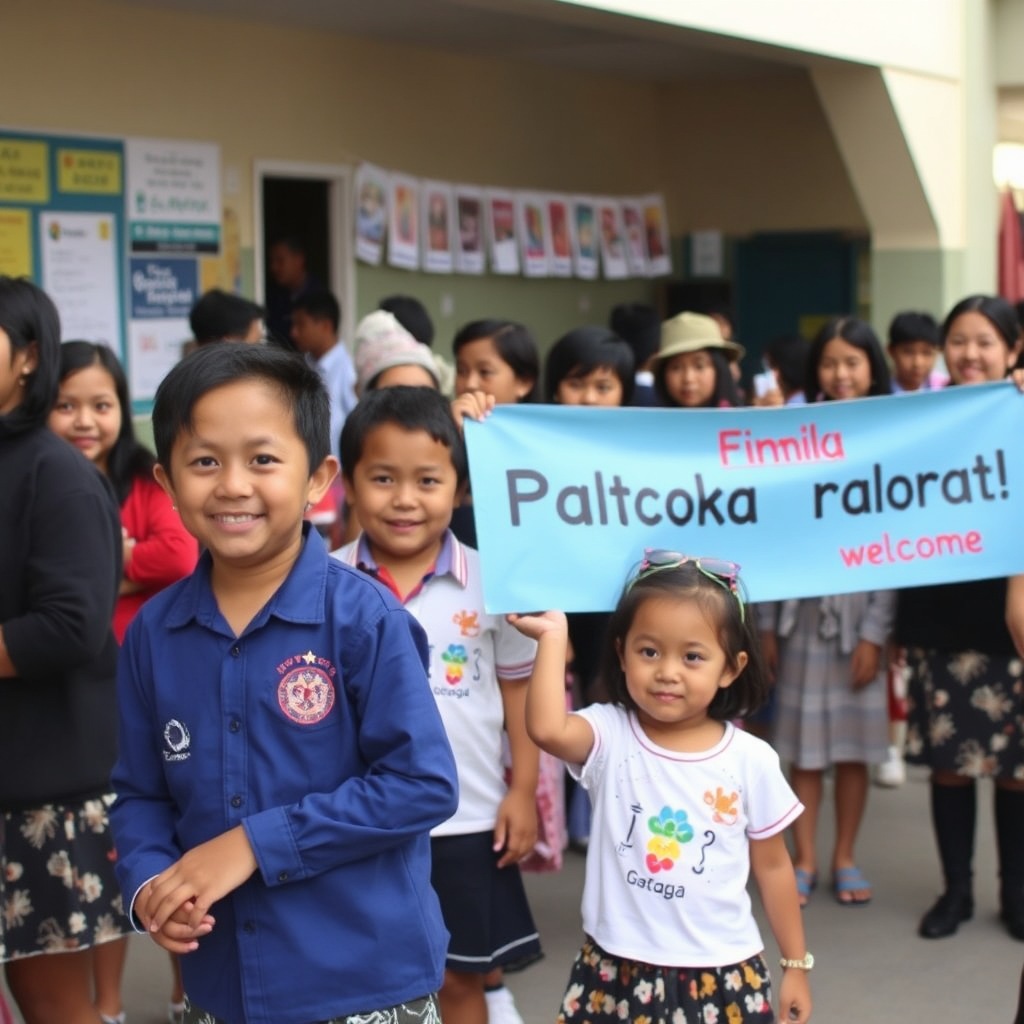
Cultural Connections
Bilingualism helps learners maintain meaningful connections to their Pasifika heritage, traditions, values, and communities.

Economic
Being bilingual can create greater economic opportunities by providing access to a wider range of markets, networks, and business relationships.

Empowerment
Bilingualism empowers Pasifika learners by valuing their language and culture while building confidence in academic, empl;oyment and community settings.

Employment
Bilingual skills are increasingly valued by employers and can provide a competitive advantage in careers that require cultural understanding and communication across diverse communities.
Community
What we can all do to build families & communities committed to bilingualism, biliteracy and Bilingual /Immersion Education Bilingualism means for this generation of young people to be able to raise the next generation of children in our own language/s and literacy.
value of being
bilingual
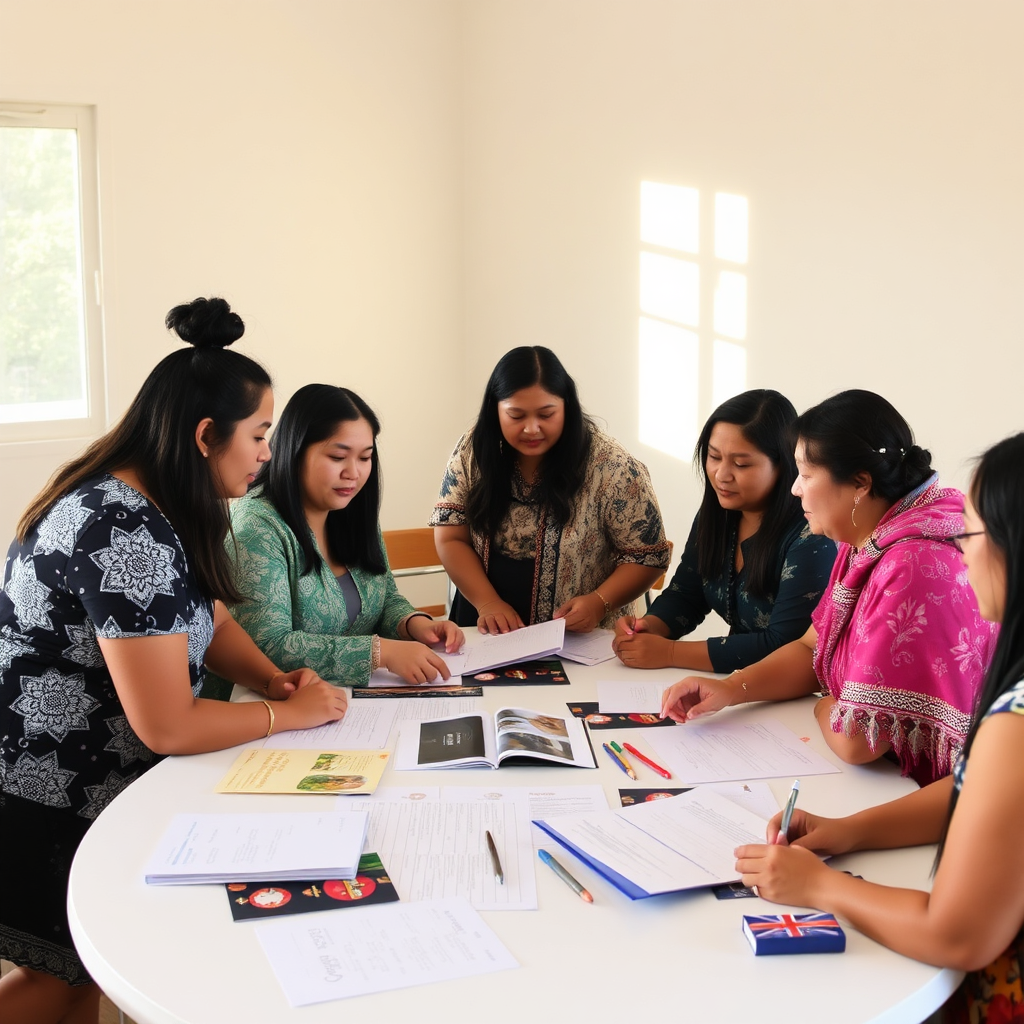
Understanding the benefits of bilingualism encourages families and communities to actively support the use and transmission of Pasifika languages across generations.
Becoming bilingual
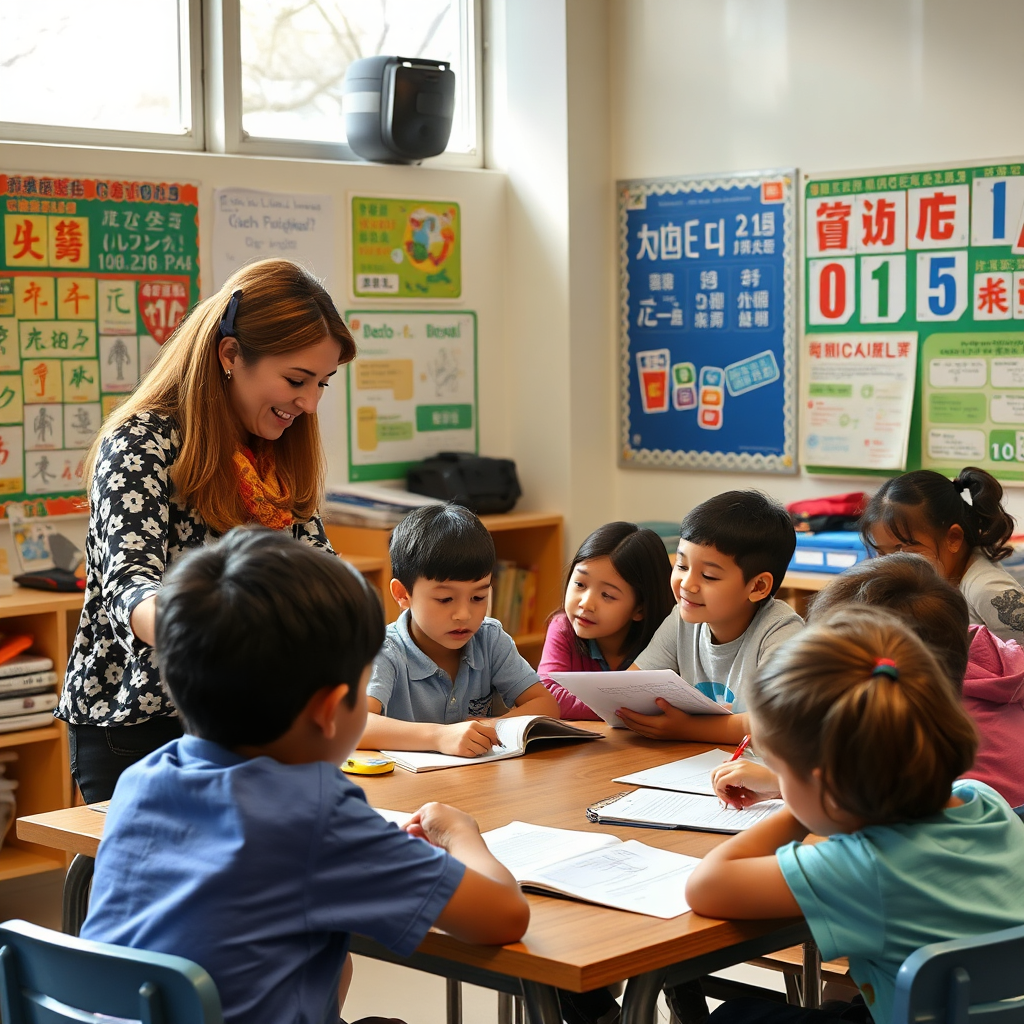
Developing bilingual skills is a lifelong journey that requires consistent support from families, schools, and communities to help young people become confident speakers and readers of their heritage languages.
Science of
bilingualism
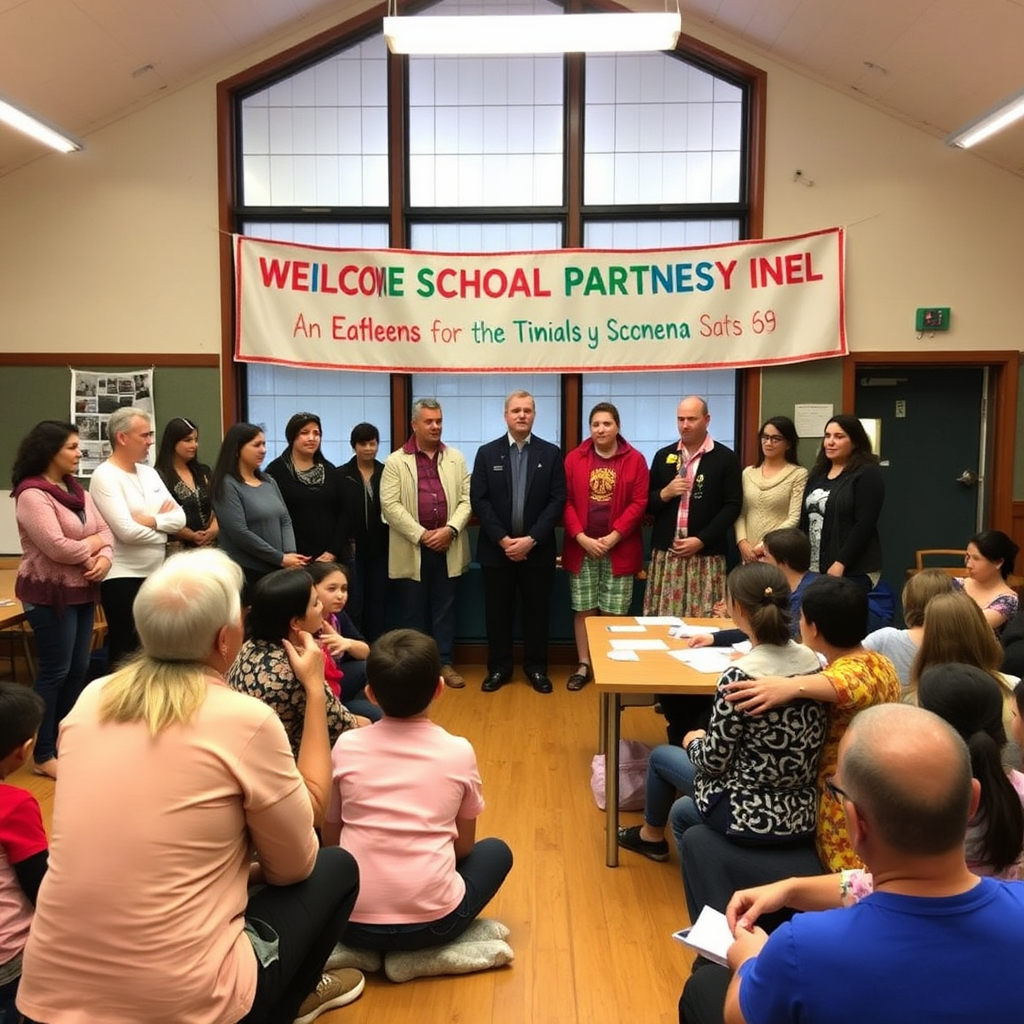
Research shows that bilingualism strengthens cognitive, academic, social, and cultural development, reinforcing the importance of maintaining Pasifika languages alongside English.
Videos

Videos provide inspiring examples and practical insights that demonstrate how bilingualism can be nurtured at home, in schools, and throughout the wider community.
Educators providers
The purpose of education is to help children become “someone more”, to add to who they are; to be a full member of their own family and culture and a citizen of the world.
We should not be trying to make them into “someone different” by taking away from them, their identity, culture and language, and their ability to pass it on to the next generation.
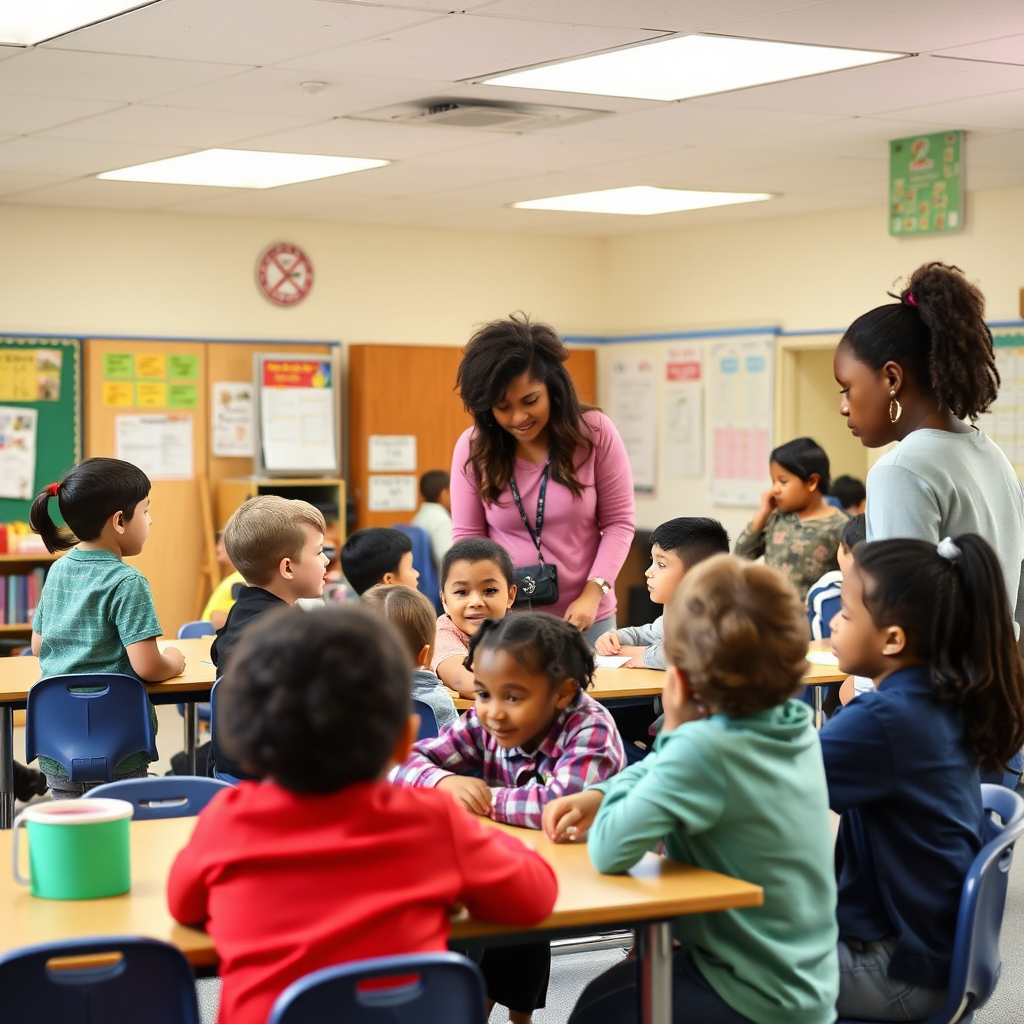
Advantages of Bilingualism
Bilingualism supports children to grow into “someone more” by strengthening their identity, culture, and ability to participate fully in both their own community and the wider world.
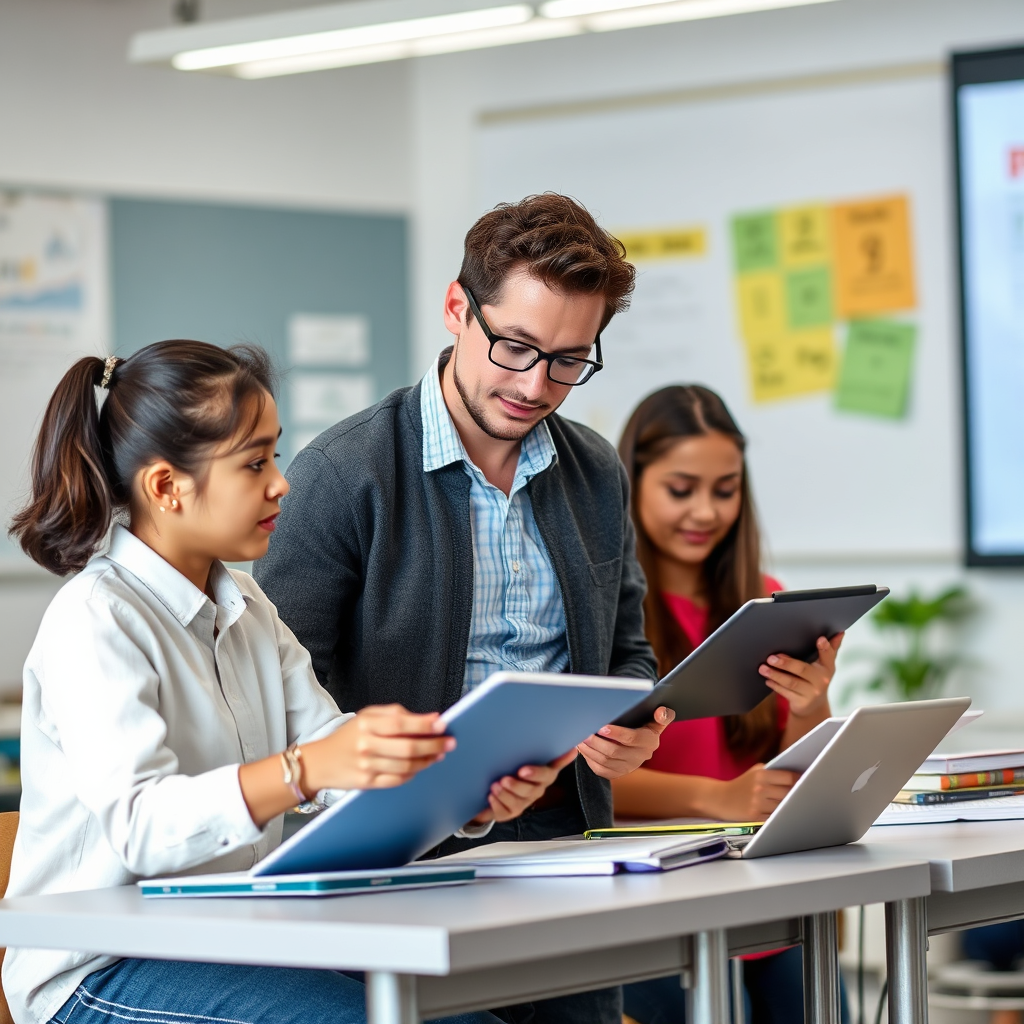
Research & Data
Evidence shows that maintaining a child’s home language alongside additional languages enhances learning outcomes, wellbeing, and long-term cultural continuity.
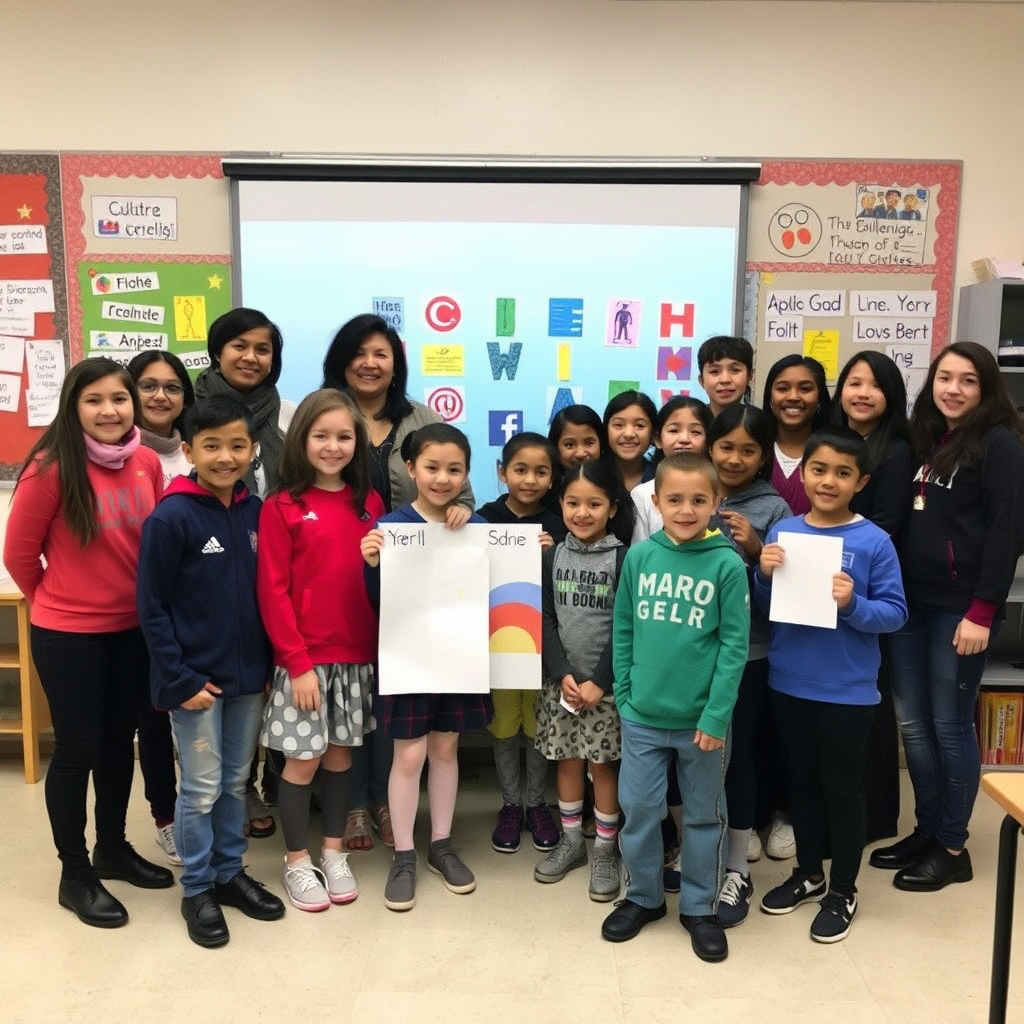
Education
Pasifika Bilingual Immersion Education (PBIE) intentionally supports both language development and identity, helping students build skills that affirm who they are while expanding their ability to engage with the world.
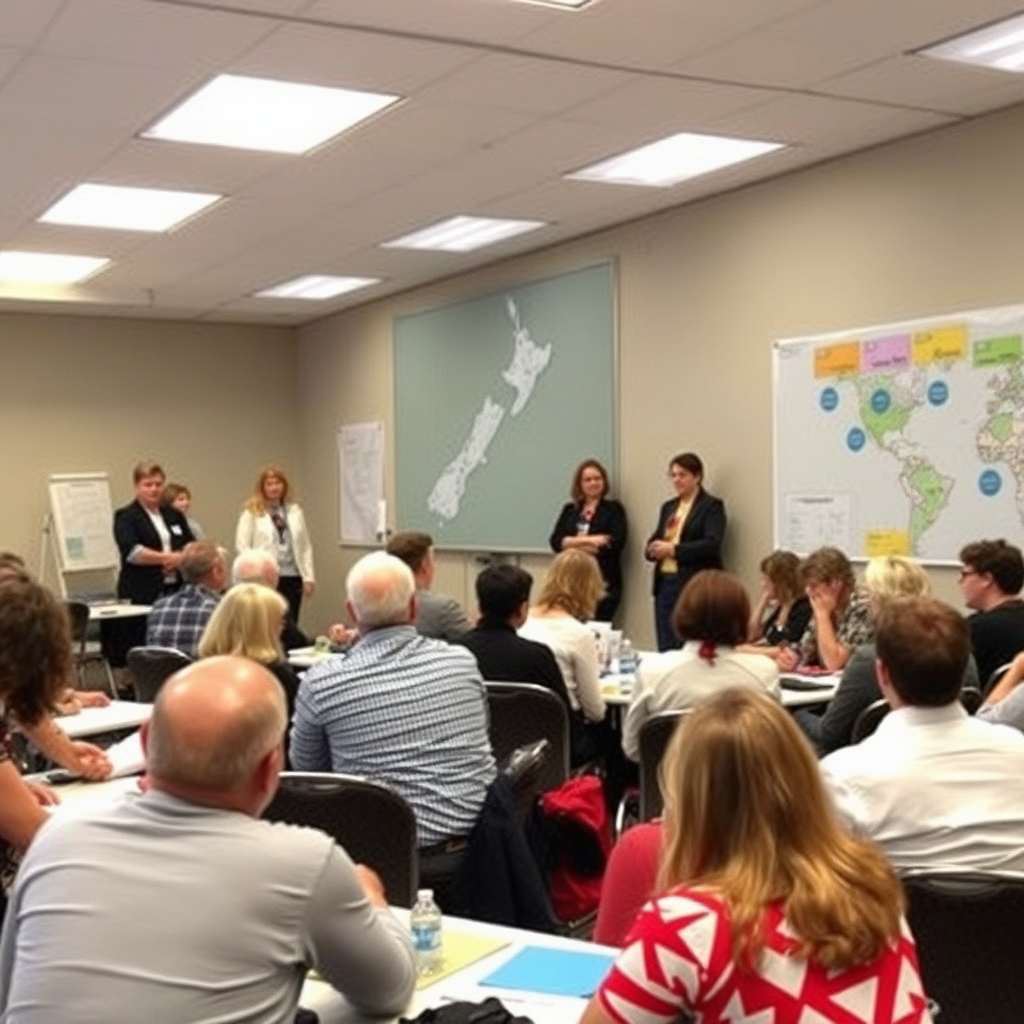
National Education Collaborations
Forge scalable partnerships across Aotearoa New Zealand with schools, polytechnics, and universities to share curricula, teacher PD, and bilingual resources, ensuring consistent quality and equitable access nationwide. We tailor approaches to local contexts while maintaining a shared framework that supports language development and student success across diverse district sizes and community contexts, with measurable outcomes.
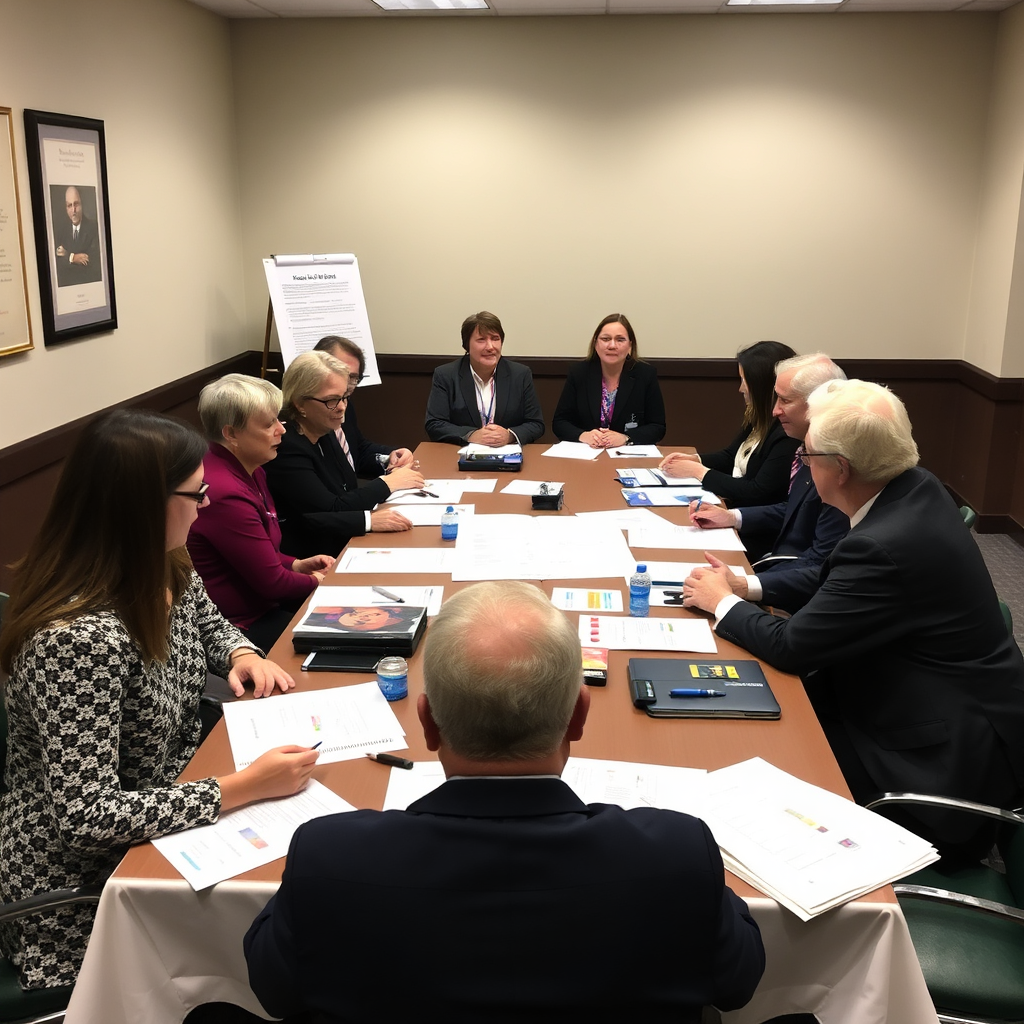
Policy-Informed Practice
Translate national policy into practical guidance and scalable models so schools can implement Pasifika bilingual programs within budgets and governance structures. Provide templates, evaluation tools, and ongoing coaching to ensure durable impact across diverse district sizes and community contexts, with measurable outcomes.
Sustainable Funding Models
Develop diversified funding streams—government grants, philanthropic partnerships, and pilot programs—that sustain expansion of bilingual education across Aotearoa New Zealand. Include clear milestones, accountability, and community stewardship to ensure long-term viability. This approach enables scalable impact while honoring local needs and empowering schools to invest in language-rich futures.
What Our Learners Say

Waka Aotearoa helped us co-design bilingual lessons that honor our students' languages. Engagement rose, attendance improved, and families became true partners in learning. The ongoing support and practical tools changed how we teach every day.
Leilani Sio, Principal, Auckland Community School

Their co-design approach helped us implement a bilingual curriculum that fits our context and budget. Teachers gained confidence, students used home languages in class, and we saw clearer progress reports and stronger cross-cultural collaboration.
Samuel Ngata, Curriculum Leader, West Auckland High

The programs opened doors for families and communities. Language is celebrated in school every day, and our kids feel they belong. Waka Aotearoa's partnership approach makes change possible and sustainable.
Aroha Williams, PTA Co-Chair, Manukau